2026年11月1日

产品聚焦:餐饮服务与活动用可生物降解可堆肥一次性杯

本文介绍 GreenStar 可生物降解可堆肥一次性杯:支持按需定制尺寸、厚度与印刷,面向餐饮、餐饮外包与活动运营商;产品符合 ASTM D6400 与 EN 13432 工业堆肥标准,实际处置需确认当地商业堆肥设施是否接收。

Single-use cups are one of the hardest items for foodservice operators to replace: they must hold up during service, suit a menu's drink sizes, and carry a brand — and then they leave with the customer. Greenstar's Biodegradable & Compostable Disposable Cups are a plant-based option designed for that job, aimed at foodservice, catering, and events.

The cups are made to order around the buyer's needs. Sizes and capacities are customizable, and the store listing offers custom sizes, thickness, and printing — so a café chain, caterer, or event organizer can specify the cup it actually serves in, rather than adapting its menu to a fixed stock size. Bulk pricing is available for B2B orders.

What matters most is disposal. These cups are described as compostable to ASTM D6400 and EN 13432 standards under industrial composting conditions — not in a backyard pile, and not as ordinary waste. Before switching, a buyer should confirm that a commercial composting facility serving its area accepts this type of cup, since availability varies by community. That check is what turns a compostable cup from a label claim into a real end-of-life route.

For operators weighing a switch, the practical questions are straightforward: which sizes the menu needs, what print run the brand requires, and where the used cups will go. Greenstar lists the cups for B2B and wholesale inquiry, with specifications set per order.

Disclaimer: Product descriptions, specifications, and certification references in this article are provided for general information. Compostability claims (including ASTM D6400, EN 13432, and GB/T 19277) refer to industrial composting conditions; commercial composting facilities may not be available in all communities. Certifications apply only to the specific products listed in the relevant certificates. For current certification documentation, contact Greenstar@greenstarmaterial.com.

点击阅读原文(GreenStar 博客)
企业动态来源:GreenStar 博客
2026年10月31日

产品聚焦:农业用生物降解可堆肥地膜

GreenStar 推出植物基可堆肥地膜,兼顾抑草、保墒与增温功能,季末无需回收残膜;幅宽 3–5 英尺、厚度 15–25 微米,可按作物与设备定制。

Conventional plastic mulch film does a useful job in the field — suppressing weeds, retaining soil moisture, and warming the soil — but it leaves a disposal job behind. At the end of the season it must be collected, and torn or buried fragments can be difficult to remove completely. Greenstar's Biodegradable & Compostable Mulch Film is a plant-based alternative designed for agricultural use, so growers do not have to plan around collecting plastic residue in the same way.

According to the live store listing, the film is available in widths of 3–5 feet and thicknesses of 0.6–1.0 mil (15–25 microns), with custom sizes, thickness, and printing available for bulk orders. That range matters in practice: a nursery, vegetable grower, or landscaping operation can size the film to its beds and equipment rather than adapting its planting layout to a single stock roll.

On end-of-life claims, the distinction matters. The listing describes the film as breaking down in soil, and its compostability references are to ASTM D6400 and EN 13432 — standards that refer to industrial composting conditions, not to backyard composting or to an uncontrolled field environment. Buyers should confirm the applicable end-of-life route and local facility acceptance for their specific product and region before making disposal claims of their own.

For growers and agricultural buyers evaluating a switch, the practical questions are therefore straightforward: does the width and thickness suit the crop and the laying equipment, and does the certified end-of-life route fit local disposal options? On those two points, a plant-based mulch film offers a credible alternative to conventional plastic film — without the season-end collection burden.

Disclaimer: Product descriptions, specifications, and certification references in this article are provided for general information. Compostability claims (including ASTM D6400, EN 13432, and GB/T 19277) refer to industrial composting conditions; commercial composting facilities may not be available in all communities. Certifications apply only to the specific products listed in the relevant certificates. For current certification documentation, contact Greenstar@greenstarmaterial.com.

点击阅读原文(GreenStar 博客)
企业动态来源:GreenStar 博客
2026年10月30日

金丹乳酸年内第三次提价,PLA原料成本再度上行

金丹10月10日起乳酸全线提价8%,为年内第三次上调;受硫酸等成本挤压传导,国内工业级PLA树脂10月中旬报价较9月中旬上涨约8%,采购方需留意报价所依据的树脂价与有效期。

On 10 October 2026, Henan Jindan Lactic Acid Technology (300829.SZ) notified customers of an 8% increase across its lactic acid product range, effective immediately. It was the company's third increase of the year, following two rises of 500 yuan per tonne in March and July. Jindan itself cautioned that customer acceptance remains uncertain, and that it does not expect a material effect on its 2026 gross profit.

The backdrop is a cost squeeze, not a single input. Jindan reported that its sulfuric acid procurement price rose 98.30% year on year in the first half of 2026, adding roughly 22 million yuan to its cost base. Lactic acid is the monomer behind polylactic acid (PLA), so pressure at this end of the chain eventually reaches resin buyers: domestic industrial-grade PLA resin was reported at around 18,100 yuan per tonne in mid-October, up about 8% from mid-September, according to ECHEMI data cited in Greenstar's 24 October industry digest.

Demand is pulling the other way. China's 3D printing equipment output grew 48.5% year on year in the first half of 2026, according to National Bureau of Statistics figures cited in the same digest, and 3D printing is a significant PLA outlet. Meanwhile Jindan's 75,000-tonne-per-year PLA project remains in trial production, with ramp-up timing uncertain, so no quick supply relief is assured.

For packaging buyers, the practical point is timing. Resin movements do not reach finished bags, mailers, or cups immediately; contracts, inventories, and specifications delay the effect. Buyers comparing quotes in the coming weeks should ask which resin price a quote is based on, how long it holds, and whether the grade is certified for industrial composting under ASTM D6400, EN 13432, or GB/T 19277 — so a cost-driven reformulation does not quietly change the product's end-of-life performance.

Disclaimer: Product descriptions, specifications, and certification references in this article are provided for general information. Compostability claims (including ASTM D6400, EN 13432, and GB/T 19277) refer to industrial composting conditions; commercial composting facilities may not be available in all communities. Certifications apply only to the specific products listed in the relevant certificates. For current certification documentation, contact Greenstar@greenstarmaterial.com.

点击阅读原文(GreenStar 博客)

企业动态来源:GreenStar 博客
2026年10月29日

走进工业堆肥设施:一个认证可堆肥袋会经历什么

本文介绍认证可堆肥袋在工业堆肥设施中的处理全过程:入场筛查与粉碎后,在约55–65℃的活性阶段经水解与微生物作用分解,最终熟化为成品堆肥;认证不仅要求物理崩解,还须生物降解并通过成品堆肥生态毒性测试。

A certified compostable bag is designed to break down under a specific set of conditions — and those conditions are the reason industrial composting facilities matter. A backyard pile rarely sustains the heat, moisture, and microbial activity that a commercial facility controls, which is why a product certified to ASTM D6400 or EN 13432 is certified for industrial composting, not for every disposal route.

The process begins at intake. Facilities screen incoming material and confirm it belongs in the organics stream; buyers and waste managers should always check with their local facility about which items it accepts, since acceptance varies by community. Accepted material is typically shredded to increase surface area, then placed in windrows or enclosed vessels where temperature, moisture, and oxygen are managed.

Next comes the active phase. Microbial activity heats the pile into its thermophilic stage, roughly 55 to 65 degrees Celsius, where heat and moisture drive hydrolysis and microbial enzymes break polymer chains into smaller molecules. Microorganisms then metabolize that carbon into carbon dioxide, water, and biomass. This is the distinction behind certification: a certified compostable product must both disintegrate and biodegrade, and pass an ecotoxicity test on the finished compost — physical breakup alone is not enough. Under industrial composting conditions, certified products must reach at least 90% disintegration within 12 weeks.

Finally, the material cures. Microbial activity slows, temperatures fall, and the compost matures and stabilizes before screening removes any remaining contaminants. What leaves the facility is finished compost for soil use — the end of a cycle that starts with a bag and ends, under the right conditions, as a soil amendment rather than landfill waste.

Disclaimer: Product descriptions, specifications, and certification references in this article are provided for general information. Compostability claims (including ASTM D6400, EN 13432, and GB/T 19277) refer to industrial composting conditions; commercial composting facilities may not be available in all communities. Certifications apply only to the specific products listed in the relevant certificates. For current certification documentation, contact Greenstar@greenstarmaterial.com.

点击阅读原文(GreenStar 博客)
企业动态来源:GreenStar 博客
2026年10月28日

微塑料并非如想象般惰性:《自然》新研究发现一种可能机制及其局限

《自然》新研究发现,微塑料表面接触水时会产生高活性氧自由基,提示一种可能的健康影响机制,但尚未证明其导致人体疾病,结论仍需谨慎看待。

Microplastics have long been described as chemically inert — too stable to react with the body. A study published in Nature in October 2026 challenges that assumption, identifying a chemical mechanism by which microplastic surfaces in water can generate highly reactive molecules.

The research, led by Wei Min's group at Columbia University with Teresa Head-Gordon's group at the University of California, Berkeley, found that water in contact with microplastic surfaces produces reactive oxygen species, including hydroxyl radicals, without any need for sunlight or another trigger. All six common plastics tested generated these radicals. The more hydrophobic the plastic, the more radicals it produced: polyethylene and polypropylene generated the most, and poly(methyl methacrylate) the least. In laboratory tests, the reaction products damaged red blood cells and proteins.

The mechanism matters because it could help explain associations researchers have reported between micro- and nanoplastic exposure and conditions including heart disease, stroke, dementia, and cancer. But the study establishes a possible mechanism, not proof that microplastics cause these diseases in people. Lead author Wei Min has said he cannot say what share of the observed health effects this phenomenon accounts for. The study also did not directly test proteins linked to Alzheimer's disease, so any connection there remains an association to investigate, not a demonstrated cause.

For packaging buyers, the takeaway is measured but real. Conventional plastics that fragment into micro- and nanoplastics can persist in the environment and in water-rich biological settings. Certified compostable materials are designed to biodegrade under industrial composting conditions rather than persist and fragment — which is why the compostability claim must be tied to the right material, the right certification, and the right end-of-life route, not used as a blanket label.

Sources: Qian et al., "Intrinsic physicochemical activity at microplastic–water interfaces," Nature (2026), doi:10.1038/s41586-026-11141-y; Chemical & Engineering News, October 2026; Columbia Climate School, October 2026.

Disclaimer: Product descriptions, specifications, and certification references in this article are provided for general information. Compostability claims (including ASTM D6400, EN 13432, and GB/T 19277) refer to industrial composting conditions; commercial composting facilities may not be available in all communities. Certifications apply only to the specific products listed in the relevant certificates. For current certification documentation, contact Greenstar@greenstarmaterial.com.

点击阅读原文(GreenStar 博客)

企业动态来源:GreenStar 博客
2026年10月27日

可生物降解餐具市场预计到2031年翻倍有余

新报告预计全球可生物降解一次性餐具市场将从2024年的102.3亿美元增至2031年的237.3亿美元,一次性塑料限令仍是主要驱动力,采购时应核查认证与处置路径。

A new market report released on October 19, 2026, puts the global biodegradable disposable tableware market at USD 10.23 billion in 2024 and projects it to reach USD 23.73 billion by 2031. The market grew at a compound annual rate of 9.73% between 2021 and 2024, according to ResearchAndMarkets' "Global Biodegradable Disposable Tableware Market (2026 Edition)."

Government restrictions on single-use plastics remain the main driver, the report finds, with authorities in the European Union, the United States, and other markets adopting bans, waste-reduction targets, and sustainability policies that push businesses toward alternatives. Demand is strongest in food service, hospitality, and retail, across plates, bowls, drinkware, cutlery, and trays made from paper, bioplastic, bamboo, and other materials.

Growth, however, does not mean every product labelled "biodegradable" performs the same. Buyers comparing tableware should check the certification behind the claim and the disposal route it assumes: compostability claims should reference a recognized standard — such as ASTM D6400, EN 13432, or GB/T 19277 — and the industrial composting conditions those standards specify, and buyers should confirm whether commercial composting facilities are available in their area.

For procurement teams, the practical takeaway is to lock specifications early: certified materials, documented certification, and a realistic end-of-life plan, rather than switching on label claims alone. As single-use plastic rules keep expanding, suppliers able to document their claims will have the advantage.

Disclaimer: Product descriptions, specifications, and certification references in this article are provided for general information. Compostability claims (including ASTM D6400, EN 13432, and GB/T 19277) refer to industrial composting conditions; commercial composting facilities may not be available in all communities. Certifications apply only to the specific products listed in the relevant certificates. For current certification documentation, contact Greenstar@greenstarmaterial.com.

点击阅读原文(GreenStar 博客)
企业动态来源:GreenStar 博客
2026年10月26日

产品聚焦:可生物降解堆肥果蔬袋,助力生鲜零售

介绍 GreenStar 面向超市、生鲜与食品零售的植物基可堆肥果蔬袋,厚度 15–25 微米,支持定制尺寸、厚度与印刷;产品按 ASTM D6400 与 EN 13432 标准设计,需在工业堆肥条件下分解。

Produce bags are one of the most-handled items in a grocery store: used at the produce aisle, at packing stations, and for take-home fresh food. Because they are used in such volume, they are also a practical place for a retailer to reduce conventional plastic — without changing how staff or shoppers handle fresh produce.

Greenstar's Biodegradable & Compostable Produce Bags are plant-based bags made for grocery, fresh produce, and food retail. The store listing specifies a thickness of 0.6–1.0 mil (15–25 microns), with custom sizes, thickness, and printing available for bulk orders, so a grocer can specify the bag around its produce range rather than fitting its operations to a fixed stock size.

What matters most is the end of life. These bags are designed to break down under industrial composting conditions, to the ASTM D6400 and EN 13432 compostability standards referenced on the listing. That is a specific claim with a specific condition: it means processing in an industrial composting facility, not a home compost bin or a landfill, and buyers should confirm that their local waste handler accepts industrially compostable bags before switching.

As with the rest of Greenstar's range, pricing is by quotation — the $0.00 shown on the store page is a placeholder — with specifications, minimum order quantities, and lead times confirmed on inquiry to Greenstar@greenstarmaterial.com. For a buyer comparing options, the checklist is short: the size and thickness your produce needs, a recognized compostability standard, and a local facility that accepts the bag. When those three line up, a compostable produce bag is a straightforward swap: the same job at the produce aisle, with a different end of life.

Disclaimer: Product descriptions, specifications, and certification references in this article are provided for general information. Compostability claims (including ASTM D6400, EN 13432, and GB/T 19277) refer to industrial composting conditions; commercial composting facilities may not be available in all communities. Certifications apply only to the specific products listed in the relevant certificates. For current certification documentation, contact Greenstar@greenstarmaterial.com.

点击阅读原文(GreenStar 博客)
企业动态来源:GreenStar 博客
2026年10月25日

产品聚焦:可生物降解与可堆肥垃圾袋——无需传统塑料的重型强度

GreenStar 植物基可堆肥垃圾袋采用重型加厚设计,覆盖 3 至 96 加仑、15 至 25 微米规格,符合 ASTM D6400 与 EN 13432 工业堆肥标准,尺寸、厚度与印刷均可按批量订单定制。

Trash bags are one of the highest-volume single-use items in any commercial or retail operation — and one of the easiest places to cut conventional plastic. Greenstar's Biodegradable & Compostable Trash Bags are plant-based bags designed for commercial and retail use, built with heavy-gauge engineering for the loads that tear thinner bags: the listing range runs from 3 to 96 gallons, at 15 to 25 microns thick.

The key point for buyers is what happens after disposal. These bags are designed to break down in industrial composting facilities, meeting the ASTM D6400 and EN 13432 compostability standards — the same standards referenced across Greenstar's bag range. That matters because a bag that only fragments, or that needs conditions a landfill cannot provide, does not solve the waste problem; an industrially compostable bag is made to be processed in a facility built for that purpose, rather than persisting as conventional plastic.

As with the rest of the range, sizes, thickness, and printing are customizable for bulk orders, so a retailer, property manager, or foodservice operator can specify the bag around its actual waste stream instead of adapting operations to a fixed stock size. Pricing is by quotation — the $0.00 shown on the store page is a placeholder — with specifications, minimum order quantities, and lead times confirmed on inquiry.

For buyers comparing options, the practical checklist is short: confirm the volume and thickness you need, confirm the bag is certified or tested to a recognized compostability standard, and confirm your local waste handler accepts industrially compostable bags. If those three line up, a compostable trash bag is a straightforward swap — same job, different end of life.

Disclaimer: Product descriptions, specifications, and certification references in this article are provided for general information. Compostability claims (including ASTM D6400, EN 13432, and GB/T 19277) refer to industrial composting conditions; commercial composting facilities may not be available in all communities. Certifications apply only to the specific products listed in the relevant certificates. For current certification documentation, contact Greenstar@greenstarmaterial.com.

点击阅读原文(GreenStar 博客)
企业动态来源:GreenStar 博客
2026年10月24日

生物基原料迈向商业化规模:晓星在越南启动生物 BDO 生产

晓星在越南启动生物基 BDO 商业化生产,标志着生物基原料正从试点走向规模化供应,为可降解材料产业链带来新的原料选择。

Hyosung TNC has started commercial production of bio-based 1,4-butanediol (bio-BDO) at its new Vietnam facility, the company announced on October 19, 2026. The plant's initial capacity is 50,000 metric tons per year, with phased expansion to 200,000 metric tons planned as part of a US$1 billion investment.

Bio-BDO is made by fermenting sugars derived from sugarcane, replacing fossil-based feedstocks used in conventional BDO production. Because it is chemically identical to conventional BDO, it can serve as a drop-in renewable intermediate without changing the performance of the finished material.

The first output will feed Hyosung's own Dong Nai operations, where it is converted into PTMG for bio-based spandex. More relevant to packaging, the company also plans to supply bio-based intermediates for thermoplastic polyurethane (TPU) and for PBAT, a resin used in biodegradable plastics. That makes this plant one to watch for anyone tracking the supply chain behind compostable packaging.

One distinction matters: a bio-based input does not by itself make a finished product compostable. Buyers should still check each product's certification and the composting conditions it was tested under — industrial composting conditions, and the governing standard — rather than taking a renewable feedstock as proof of compostability.

For Greenstar, the takeaway is straightforward: as bio-based intermediates reach commercial scale, the feedstock base behind biodegradable resins keeps broadening. We will keep following these developments and what they mean for compostable packaging buyers.

Disclaimer: Product descriptions, specifications, and certification references in this article are provided for general information. Compostability claims (including ASTM D6400, EN 13432, and GB/T 19277) refer to industrial composting conditions; commercial composting facilities may not be available in all communities. Certifications apply only to the specific products listed in the relevant certificates. For current certification documentation, contact Greenstar@greenstarmaterial.com.

点击阅读原文(GreenStar 博客)

企业动态来源:GreenStar 博客
2026年10月21日

PLA跨界新动态:过滤级材料上市,纺织应用回归

行业动态:PLA 正加速走出包装领域。本月 TotalEnergies Corbion 商业发布过滤级 PLA 熔喷材料,纺织应用也再度升温——以下为 GreenStar 博客英文原文转载。

Polylactic acid (PLA) is best known in our industry as the workhorse resin behind compostable bags, mailers, and food-service ware. This month, two developments showed the material pushing into entirely new categories.

On October 14, TotalEnergies Corbion commercially launched Luminy L040, a PLA grade engineered specifically for meltblown nonwoven filter media — the material inside HVAC filters, air purifiers, and face masks. The ultra-low-viscosity grade spins sub-micron fibers (one micron or less) on existing meltblown lines without major equipment changes, and industrial trials demonstrated filtration efficiencies above 95%. Because the resin holds an electrostatic charge on its own, manufacturers can skip the degrading agents and additives normally needed for high-efficiency media. Early-access partner Hansae in South Korea validated stable production on commercial lines, and independent University of Michigan research found PLA meltblown media performs comparably to conventional polypropylene — with a carbon footprint the company says is more than 80% lower. (Innovation in Textiles; Nonwovens Industry)

A day later, at Performance Days in Munich, Corbion told Ecotextile News it is targeting a renewed role for PLA in textile and apparel applications, arguing improved filament production can overcome the durability barriers that kept the polymer out of clothing.

The takeaway for packaging buyers: PLA's demand pool is widening. Resin innovation is no longer only about compostability — it's about performance parity with fossil plastics, which is exactly the foundation certified compostable packaging is built on.

点击阅读原文(GreenStar 博客)
企业动态来源:GreenStar 博客
2026年10月18日

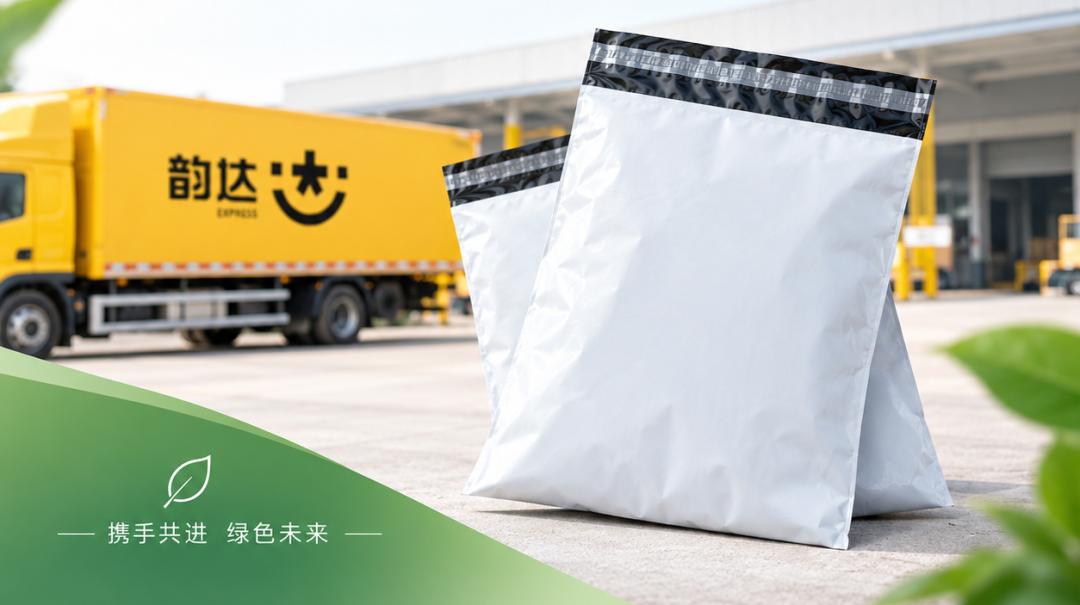
喜报|百思达成功中标韵达 2026 年度全新料防水袋项目

百思达中标韵达防水袋项目
百思达成功中标韵达 2026 年度全新料防水袋项目,中标总量达 500 万只。

此次中标体现了韵达对百思达产品品质、交付能力及可持续发展理念的认可。
企业动态来源:百思达微信公众号
2026年10月17日

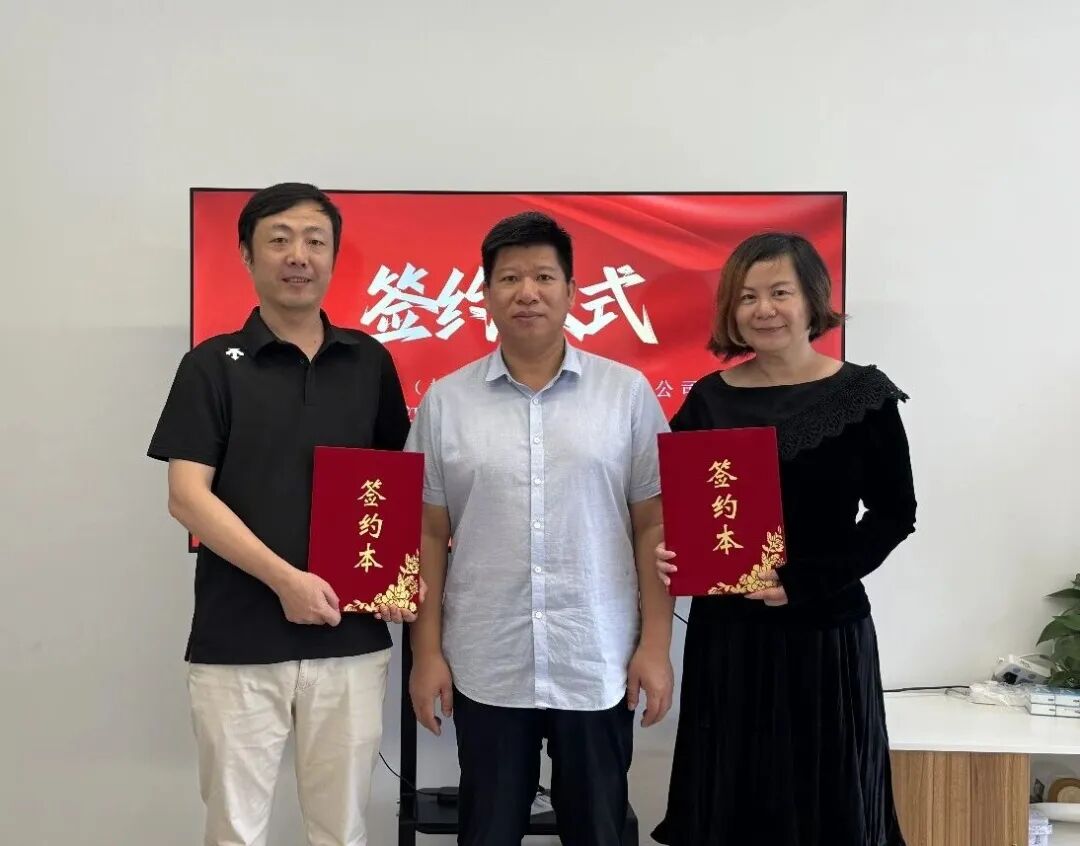
百思达与凡畅战略签约,携手共启崭新篇章

百思达与凡畅战略签约
百思达与凡畅正式签署战略合作协议,双方将围绕生物基可降解材料的应用推广展开深度合作,携手开拓绿色包装市场新机遇。

点击阅读原文
企业动态来源:百思达微信公众号
2026年10月14日

百思达承办 ISO/TC61 第75届年会,11月相约杭州

我们很荣幸地宣布:百思达(杭州)生物材料有限公司将作为承办单位之一,参与承办国际标准化组织塑料技术委员会(ISO/TC61)第75届年会。会议将于2026年11月16日至20日在杭州三立开元名都大酒店举行,预计将有来自36个国家的约200位代表参会,其中境外代表约50位。

ISO/TC61 是国际标准化组织(ISO)负责塑料领域国际标准制修订的技术委员会。本届年会是塑料行业标准领域的重要国际会议,将围绕塑料国际标准制修订与行业技术发展展开交流。

会议期间,百思达将设立展台,展示公司在生物基可降解材料领域的技术与产品,与来自全球的行业专家和标准工作者深入交流。会议赞助与展位合作现已开放,欢迎有意向的企业与我们联系。

赞助 / 展位咨询:lorenluo@greenstarmaterial.com
ISO ISO/TC 61 - Plastics committee.iso.org 企业动态来源:百思达官方
2026年7月3日

百思达携手萧山政府机关服务中心,打造「零塑无废」低碳示范标杆

百思达携手萧山政府机关服务中心,打造「零塑无废」低碳示范标杆
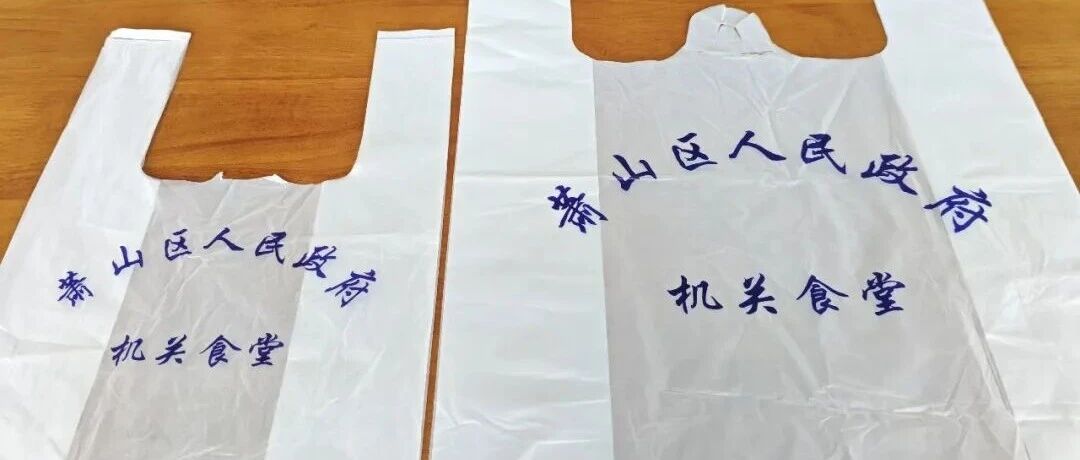
百思达携手萧山政府机关服务中心,开展生物基可降解材料专题推广,助力机关食堂绿色升级。目前,萧山区政府机关食堂已完成“零塑化”改造:以往高频使用的一次性塑料餐盒、塑料背心袋,已全部替换为百思达生物基降解产品;产品使用后可通过高温好氧发酵转化为有机肥回归农田,从源头杜绝餐饮场景白色污染,实现食堂场景专属零塑改造。

未来,百思达将持续深耕生物降解技术领域,不断优化“零塑无废”整体解决方案,以扎实的科技实力助力各类公共场景绿色低碳升级,为双碳建设持续赋能。
BioStar百思达 百思达携手萧山政府机关服务中心,打造「零塑无废」低碳示范标杆 mp.weixin.qq.com 企业动态来源:BioStar百思达微信公众号
2026年6月24日

四川省乐山市沐川县考察团到访百思达,共探生物基材料产业合作新机遇

四川省乐山市沐川县考察团到访百思达,共探生物基材料产业合作新机遇
四川省乐山市沐川县考察团到访百思达,围绕以竹代塑、循环经济合作展开深度交流。考察团实地参观百思达研发中心与生产基地,详细了解公司在生物基材料领域的技术研发、产品体系与产业化成果。

座谈中,双方围绕竹资源高值化利用、生物基材料产业链协同、区域绿色产业导入等议题深入探讨。沐川县作为竹资源富集区,与百思达在“以竹代塑”方向高度契合,双方将进一步探索产业合作新模式,共同推动区域绿色低碳产业发展。
BioStar百思达 四川省乐山市沐川县考察团到访百思达,共探生物基材料产业合作新机遇 mp.weixin.qq.com 企业动态来源:BioStar百思达微信公众号
2026年5月21日

紧跟浙江“以竹代塑”新政,百思达助力绿色包装产业升级

紧跟浙江“以竹代塑”新政,百思达助力绿色包装产业升级
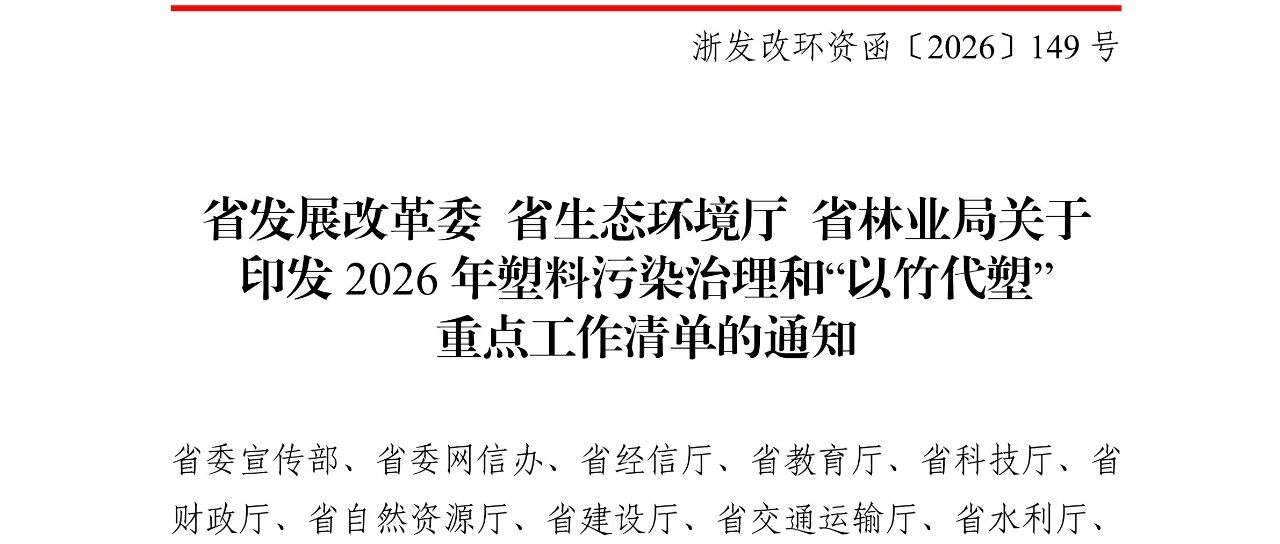
浙江省出台“以竹代塑”专项政策,加速推进竹产业与绿色包装融合发展。百思达紧跟政策导向,发挥在生物基材料领域的技术与产业化优势,以竹纤维增强生物基降解材料为切入点,推动包装行业向低碳、可循环方向转型升级。

公司已形成覆盖竹纤维改性、生物基复合材料的完整技术路线,产品可广泛应用于餐饮具、包装袋、物流包装等场景。百思达将持续加大研发投入,携手产业链上下游,共同做大“以竹代塑”产业生态,为浙江绿色包装产业高质量发展注入新动能。
BioStar百思达 紧跟浙江“以竹代塑”新政,百思达助力绿色包装产业升级 mp.weixin.qq.com 企业动态来源:BioStar百思达微信公众号
2026年3月26日

深化合作,共筑未来——百思达应邀赴吉利汽车研究所就绿色物流包装项目展开合作交流

深化合作,共筑未来——百思达应邀赴吉利汽车研究所就绿色物流包装项目展开合作交流
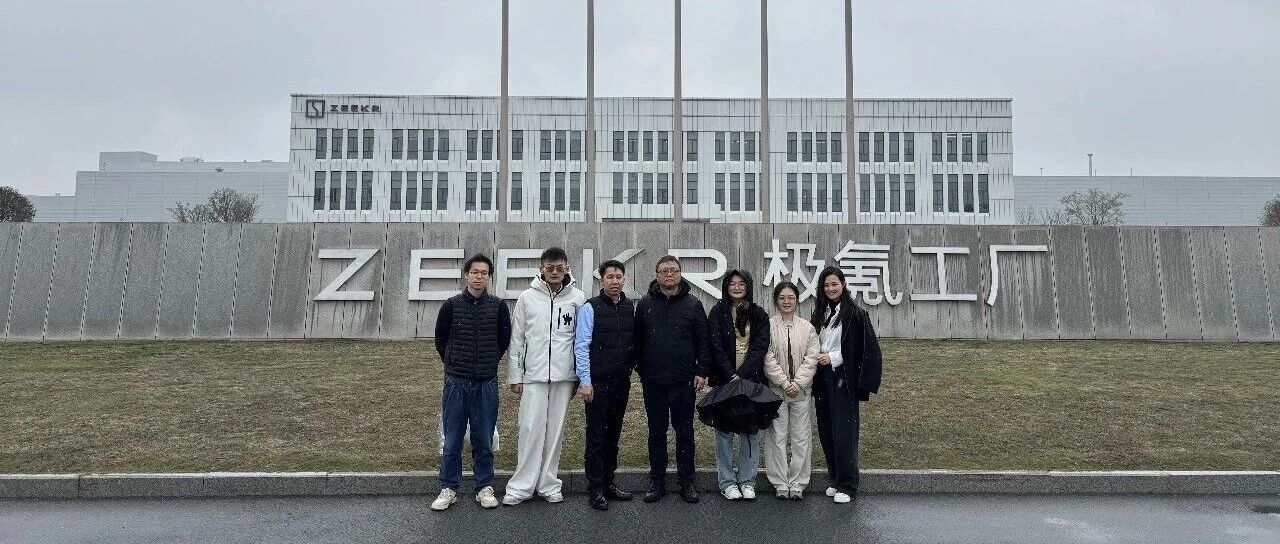
百思达应邀赴吉利汽车研究所,就绿色物流包装项目展开合作交流。双方围绕汽车产业链绿色物流包装需求,深入探讨生物基可降解材料在零部件周转包装、整车物流防护等场景的应用方案。

吉利汽车研究所在绿色供应链建设方面走在行业前列,百思达的生物基降解材料技术与之高度互补。双方表示将以此次交流为起点,深化合作对接,共同打造汽车行业绿色物流包装示范项目,共筑绿色供应链未来。
BioStar百思达 深化合作,共筑未来——百思达应邀赴吉利汽车研究所就绿色物流包装项目展开合作交流 mp.weixin.qq.com 企业动态来源:BioStar百思达微信公众号
2026年3月20日

昆明市滇中新区考察团到访百思达,就生物基材料项目合作展开深入交流

昆明市滇中新区考察团到访百思达,就生物基材料项目合作展开深入交流
昆明市滇中新区考察团到访百思达,就生物基材料项目合作展开深入交流。考察团实地了解百思达在生物基改性材料、降解膜袋等领域的技术积累与量产能力。

座谈中,双方围绕生物基材料产业化项目落地、区域政策配套、产业链协同等议题深入探讨。滇中新区作为国家级新区,在绿色产业导入方面需求迫切,双方将保持密切对接,共同探索生物基材料西南区域合作新机遇。
BioStar百思达 昆明市滇中新区考察团到访百思达,就生物基材料项目合作展开深入交流 mp.weixin.qq.com 企业动态来源:BioStar百思达微信公众号
2026年3月17日

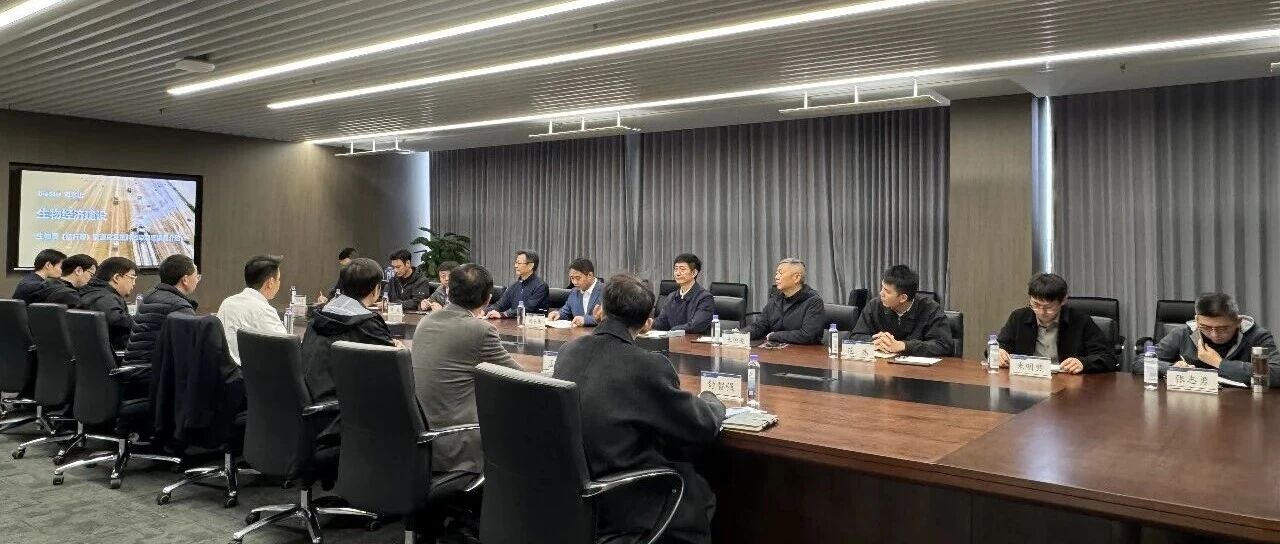
辽源市东丰县考察团到访百思达,就生物经济发展、深化跨区域秸秆产业协同落地展开深度交流

辽源市东丰县考察团到访百思达,就生物经济发展、深化跨区域秸秆产业协同落地展开深度交流
吉林省辽源市东丰县考察团到访百思达,就生物经济发展、深化跨区域秸秆产业协同落地展开深度交流。东丰县是农业大县,秸秆资源丰富,在秸秆高值化利用方面与百思达的技术路线高度契合。

双方围绕秸秆收储运体系、秸秆基生物材料产业化、跨区域产业协同机制等议题深入研讨。百思达在秸秆资源化利用领域拥有近二十年技术积淀,双方将探索共建跨区域秸秆产业协同模式,推动东北秸秆资源变废为宝,助力县域生物经济发展。
BioStar百思达 辽源市东丰县考察团到访百思达,就生物经济发展、深化跨区域秸秆产业协同落地展开深度交流 mp.weixin.qq.com 企业动态来源:BioStar百思达微信公众号
2026年3月13日

广东省肇庆市政府一行到访百思达,就生物质资源创新路径展开深度研讨

广东省肇庆市政府一行到访百思达,就生物质资源创新路径展开深度研讨
广东省肇庆市政府一行到访百思达,就生物质资源创新路径展开深度研讨。肇庆市农林生物质资源丰富,在“百千万工程”与绿美广东建设背景下,正积极探索生物质资源高值化利用新路径。

座谈中,百思达系统介绍了在秸秆、竹材等生物质资源化利用方面的技术体系与产业化案例。双方围绕生物质收储运、材料化利用、区域产业导入等议题深入交流,将进一步探索粤浙两地在生物质产业领域的合作对接。
BioStar百思达 广东省肇庆市政府一行到访百思达,就生物质资源创新路径展开深度研讨 mp.weixin.qq.com 企业动态来源:BioStar百思达微信公众号
2026年3月6日

校企携手探新径——百思达赴浙江科技大学交流合作

校企携手探新径——百思达赴浙江科技大学交流合作
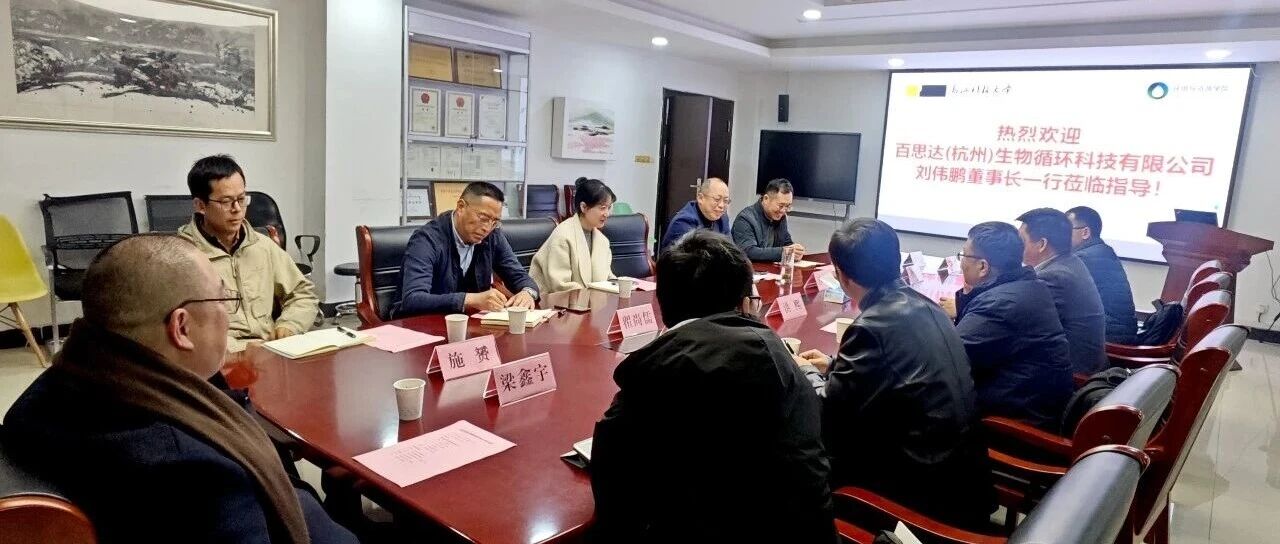
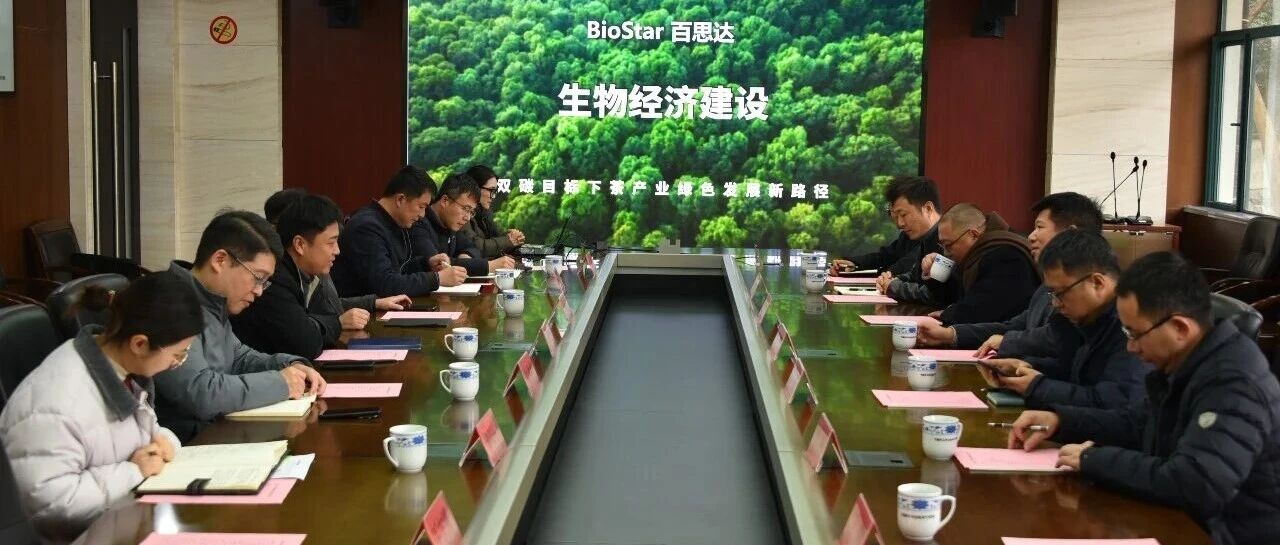
百思达赴浙江科技大学交流合作,搭建校企产学研合作的坚实桥梁。会上,浙江科技大学环境与资源学院沙力争院长围绕构建“校企共育、双向赋能”的人才培养与引进模式、技术共研、项目共建,以及联合生物经济基金促进产业化落地等主题方向提出清晰思路,明确要建立专项工作组,保证双方紧密联系。

双方围绕秸秆资源化利用领域的技术攻关、人才联合培养等议题达成多项合作共识。未来,双方将以此次会议为契机,充分发挥各自优势,聚焦秸秆资源化利用与生物基材料领域,深化技术共研、人才共育、项目共建,推动产学研深度融合。
BioStar百思达 校企携手探新径——百思达赴浙江科技大学交流合作 mp.weixin.qq.com 企业动态来源:BioStar百思达微信公众号
2026年3月5日

携手科研双碳引领,共启茶产业绿色征程——百思达团队赴中国农科院茶叶研究所交流合作

携手科研双碳引领,共启茶产业绿色征程——百思达团队赴中国农科院茶叶研究所交流合作
2026年3月4日,百思达董事长刘伟鹏博士带领团队一行七人,赴中国农业科学院茶叶研究所交流并就项目合作展开讨论。本次座谈会得到中茶所高度重视,姚明哲副所长、肖碧林副所长及相关部门领导出席会议,双方围绕茶产业全链条绿色创新发展展开深入探讨并达成合作意向。

会上,姚明哲副所长围绕生态低碳茶提出合作思路,明确生物基材料可应用于茶叶包装、饮料瓶、涂层、有机肥、茶渣再利用等领域,并将开展专用包装技术开发与产品推广。双方还将在联合科技研发与项目申报、生态低碳茶园技术应用、国际化人才培养等方向深化合作,共启茶产业绿色征程。
BioStar百思达 携手科研双碳引领,共启茶产业绿色征程——百思达团队赴中国农科院茶叶研究所交流合作 mp.weixin.qq.com 企业动态来源:BioStar百思达微信公众号
2025年11月5日

《浙江日报》头版聚焦百思达:让科技成果从“书架”走向“货架”

浙江日报头版报道百思达
2025年11月5日,《浙江日报》头版刊发专题报道,深度聚焦BioStar百思达生物基材料产业化落地成果。文章完整梳理了企业依托院士核心技术,打通实验室研发到规模化量产全链条发展路径,详细介绍公司中美双研发布局、全降解生物包装产品体系以及和韵达、青山绿丰、环兴装备等主体的产业协同项目。

报道指出,百思达打破生物材料“实验室样品难以量产、成本居高不下、适配场景有限”的行业痛点,依靠自主配方改良、智能化产线改造、全产业链配套服务,实现生物降解材料在消费品、物流、农业、餐饮多领域规模化商用,真正实现科研成果从实验室“书架”走向市场“货架”。

依托欧盟Seedling、美国BPI双重国际认证,企业产品出口全球四十余个国家,同时持续联动浙江大学、密歇根州立大学推进新材料迭代研发,为浙江生物经济、绿色低碳产业发展提供典型示范样本。
企业动态来源:浙江日报
2025年6月20日

浙江省委常委、杭州市委书记刘非调研百思达生物质(秸秆)资源化项目

杭州市委书记刘非调研百思达秸秆资源化项目
2025年6月17日,浙江省委常委、杭州市委书记刘非一行前往谢径安农创村,实地调研百思达(杭州)生物循环科技有限公司生物质秸秆资源化利用项目。

在秸秆资源化处理中心,公司董事长刘伟鹏博士向调研团队详细讲解秸秆资源化处理核心技术、落地应用场景与产业规模化推广前景。刘非书记现场听取汇报后作出重要指示,他指出秸秆资源化产业发展核心在于打通下游产品渠道、提升技术附加值,企业要持续深耕科技研发,全力推进秸秆资源化技术产业化落地与市场推广。
企业动态来源:新浪财经

近期动态